Navigating the vast world of wireless earphones can feel overwhelming, with countless models promising superior sound, comfort, and features. As a seasoned audio enthusiast with over a decade of experience, I’ve had the privilege of testing and evaluating hundreds of wireless earphone models, understanding the nuances of advanced technologies, their strengths and weaknesses, and the crucial factors consumers must weigh. This comprehensive guide will distill that expertise into an accessible, honest review, helping you pinpoint the perfect wireless earphones to match your needs and budget, cutting through the marketing noise to focus on what truly matters: the specifications and real-world performance.
Advantages and Disadvantages of Wireless Earphones
Wireless earphones have revolutionized how we experience audio, offering a freedom that wired alternatives simply cannot match. Yet, like any technology, they come with a distinct set of trade-offs. Understanding these can help set realistic expectations and guide your purchasing decision.
Advantages
|
Our Picks for the Best Wireless earphones in 2026
As an Amazon Associate I earn from qualifying purchases.
|
||
| Num | Product | Action |
|---|---|---|
| 1 | kurdene Wireless Earbuds Bluetooth Headphones Sport,Over Ear Buds with Deep Bass Sound,60Hrs Playtime Earphones Redesigned Comfort Fit with Earhooks for Running,Meeting,Workout-Black |

|
| 2 | Wireless Earbuds Bluetooth 5.4 Headphones, 54H Playtime Stereo Earphones with Noise Cancelling Mic, IPX7 Waterproof, Fast Charging and Comfort Fit Ear Buds for Fitness/Sports/Workouts/Travel Black |
|
| 3 | HAOYUYAN Wireless Earbuds, Sports Bluetooth Headphones, 80Hrs Playtime Ear Buds with LED Power Display, Noise Canceling Headset, IPX7 Waterproof Earphones for Workout/Running(Black) |
|
| 4 | Apple AirPods Pro 3 Wireless Earbuds, Active Noise Cancellation, Live Translation, Heart Rate Sensing, Hearing Aid Feature, Bluetooth Headphones, Spatial Audio, High-Fidelity Sound, USB-C Charging |
|
| 5 | Soundcore by Anker P20i True Wireless Earbuds, 10mm Drivers with Big Bass, Bluetooth 5.3, 30H Long Playtime, Water-Resistant, 2 Mics for AI Clear Calls, 22 Preset EQs, Customization via App |
|
| 6 | JBL Vibe Beam - True Wireless JBL Deep Bass Sound Earbuds, Bluetooth 5.2, Water & Dust Resistant, Hands-Free Call with VoiceAware, Up to 32 Hours of Battery Life (Black) |
|
| 7 | Wireless Earbuds Bluetooth 5.4 Headphones, 50H Playtime Stereo Earphones with ENC Noise Cancelling, IPX7 Waterproof Open Ear Buds with Ergonomic Earhook for Fitness/Sports/Workouts/Travel (Black) |
|
| 8 | TOZO A1 Wireless Earbuds, Bluetooth 5.3 Lightweight In-Ear Headphones, Deep Bass Stereo Sound, AI ENC Mics Clear Calls Ear Buds, IPX5 Waterproof Earphones, 32 Presets EQ Customization via App |
|
| 9 | Apple AirPods 4 Wireless Earbuds, Bluetooth Headphones, Personalized Spatial Audio, Sweat and Water Resistant, USB-C Charging Case, H2 Chip, Up to 30 Hours of Battery Life, Effortless Setup for iPhone |
|
| 10 | KTGEE Wireless Earbuds Bluetooth 5.3 Headphones, 40Hrs Playback Stereo Ear Buds with LED Display Charging Case IPX7 Waterproof in-Ear Earphones with Mic for Phone Tablet Laptop Sports, White |
|
The primary appeal of wireless earphones lies in their unparalleled convenience and freedom of movement. Users can enjoy audio without the hassle of tangled cables, making them ideal companions for commutes, workouts, or simply moving around the house. This untethered experience is a significant upgrade for many.
Beyond convenience, wireless earphones boast compact and fashionable designs. They often feature sleek profiles that blend seamlessly with personal style, and their small form factor makes them incredibly portable, easily slipping into a pocket or a small bag. Manufacturers consistently innovate to make them not just functional, but also aesthetic accessories.
Quick and stable connectivity is another key advantage. Modern wireless earphones utilize advanced Bluetooth technologies, offering rapid pairing with devices and maintaining a robust connection over considerable distances. This reliability ensures a smooth, uninterrupted listening experience, crucial for both audio enjoyment and calls.
Many models are packed with modern features that enhance usability and sound quality. These include active noise cancellation (ANC) for immersive listening, transparency modes to stay aware of surroundings, voice assistant integration for hands-free control, and spatial audio for a more cinematic experience. Such features significantly elevate the user experience.
Disadvantages
Despite their many benefits, wireless earphones do have limitations, most notably their limited battery life. Unlike wired headphones that draw power from the connected device, wireless models rely on internal batteries, necessitating regular charging. This can be inconvenient, especially during long trips or extended listening sessions away from a power source.
Another consideration is that sound quality may not always match high-end wired earphones. While wireless audio technology has improved dramatically, audiophiles might still discern a difference in fidelity, dynamic range, or detail compared to premium wired counterparts. Compression and Bluetooth codecs can sometimes introduce subtle compromises.
Their small size, while an advantage for portability, also makes them prone to being lost or misplaced. True wireless earbuds, in particular, are small and separate, making them easy to drop or misplace, which can be a costly mistake given their price point. This necessitates careful handling and storage.
Finally, the cost of wireless earphones is often higher than comparable wired models. The integration of advanced Bluetooth chips, rechargeable batteries, and sophisticated processing units contributes to a steeper price tag. While prices are becoming more competitive, cutting-edge features typically come with a premium.
Popular Types of Wireless Earphones
The wireless earphone market offers a diverse range of designs, each tailored to different preferences and use cases. Understanding these categories is essential for making an informed choice about the best fit for your lifestyle.
True Wireless Stereo (TWS) Earbuds
True Wireless Stereo (TWS) earbuds represent the pinnacle of wire-free audio, featuring a completely cable-free design with no connection between the two earbuds or to the audio source. This ultra-compact form factor makes them exceptionally easy to carry and use, fitting discreetly into your ears and often coming with a portable charging case. They are particularly well-suited for sports and on-the-go activities due to their minimal footprint and secure fit, offering maximum freedom during workouts or daily commutes.
Over-Ear Wireless Headphones
Over-ear wireless headphones prioritize an immersive audio experience and extended comfort. They typically offer superior sound quality compared to smaller earbuds, thanks to larger drivers and better acoustic isolation. With more space for larger batteries, they also boast longer battery life, often lasting for dozens of hours on a single charge. Their design, which fully encloses the ears, makes them comfortable for prolonged wear, reducing ear fatigue during long listening sessions or flights.
Sports Wireless Earphones
Designed with active users in mind, sports wireless earphones prioritize durability and a secure fit. Many models feature water and sweat-resistant designs, making them impervious to intense workouts or unexpected weather conditions. Their ergonomic designs, often incorporating ear hooks or wing tips, ensure a snug and stable fit during physical activity, preventing them from falling out even during vigorous movement. These characteristics make them ideal for various sports and outdoor exercises, providing reliable audio without compromise.
Comparison of Famous Wireless Earphone Brands
Choosing a wireless earphone often comes down to brand preference, as each major player brings its unique strengths to the table. This comparison highlights some of the leading brands and their typical offerings, helping you understand their market position.
Comparison Table
| Brand | Advantages | Disadvantages | Estimated Price Range |
|---|---|---|---|
| Apple AirPods | Seamless integration with Apple ecosystem, intuitive controls, excellent voice call quality | Higher price, sound quality is good but not top-tier for audiophiles, limited customization outside Apple devices | $129 – $249 |
| Sony | Outstanding sound quality, industry-leading active noise cancellation, comfortable designs | Can be expensive, some designs may feel bulky for smaller ears, companion app can be complex | $149 – $399 |
| Samsung Galaxy Buds | Feature-rich, competitive pricing, good integration with Samsung devices, sleek designs | Sound quality generally good but may not rival Sony for pure audio fidelity, ANC can vary by model | $99 – $229 |
| Jabra | Excellent for calls, durable and water-resistant builds, comfortable and secure fit, good battery life | Sound profile often tuned for calls over music, ANC can be inconsistent across models | $79 – $199 |
| Anker Soundcore | Exceptional value, wide range of budget-friendly options, impressive feature set for the price | Sound quality can be inconsistent across models, less premium build materials, ANC not always top-tier | $49 – $149 |
This table provides a snapshot, but individual models within each brand can vary significantly in performance and features.
Wireless Earphone Buying Guide
The sheer number of options available can make selecting the right wireless earphones a daunting task. A systematic approach, starting with your personal needs and then evaluating key technical aspects, will simplify the process.
Determine Usage Needs
Before diving into specifications, clarify what you primarily intend to use your earphones for. Are they for daily music listening, watching movies, intense gaming, frequent phone calls, or rigorous sports activities? Your primary use case dictates the essential features you’ll need. For instance, gamers prioritize low latency, while sports enthusiasts need water resistance and a secure fit. Also, consider which specific features are non-negotiable for you, such as active noise cancellation, transparency mode, voice control, or waterproofing. Establishing these upfront helps narrow down the choices considerably. Lastly, set a realistic budget. Wireless earphones range from under $50 to over $400, and knowing your financial limits will prevent overspending and guide you to the best value within your price bracket.
Factors to Consider
Once your needs are defined, delve into the technical specifications and design elements. Sound quality is paramount for many; consider aspects like bass response, treble clarity, and overall detail. Some prefer a neutral sound signature, while others enjoy enhanced bass. Battery life is another critical factor; ensure the earphones offer enough playtime for your typical usage, including the charging case’s capacity.
Design impacts both comfort and aesthetics. Look for an ergonomic fit that feels secure without causing discomfort, and choose a style that appeals to you. Connectivity typically involves Bluetooth, but check the version (e.g., Bluetooth 5.2 or 5.3) for stability, range, and advanced codecs (like aptX Adaptive or LDAC) if your device supports them.
Finally, evaluate additional features such as active noise cancellation (ANC), which is crucial for noisy environments, or transparency mode, which allows you to hear your surroundings. Water resistance ratings (e.g., IPX4, IPX7) are vital for workouts or outdoor use. Always choose a reputable brand with a good warranty and customer support to ensure reliability and peace of mind.
Top Most Popular Wireless Earphone Models Today
The market for wireless earphones is highly dynamic, with new innovations consistently pushing the boundaries of audio technology. Here are some of the most highly-regarded models that continue to set benchmarks in various categories, offering a blend of performance, features, and user satisfaction.
List and Review
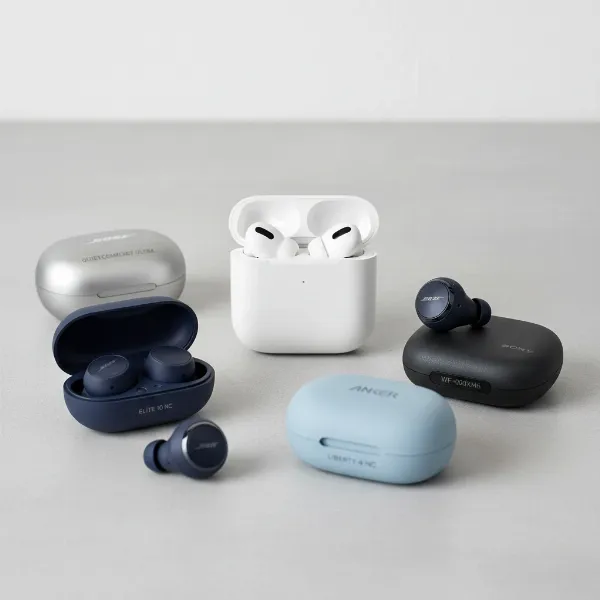
Apple AirPods Pro (2nd Generation): These true wireless earbuds are a prime example of seamless integration within the Apple ecosystem. They offer arguably the best active noise cancellation in their class, alongside an excellent transparency mode. The sound quality is balanced and enjoyable for most users, with adaptive EQ enhancing the listening experience. Call quality is consistently clear, and features like spatial audio provide an immersive soundstage. They are incredibly comfortable for extended wear due to their lightweight design and multiple ear tip options. However, their full potential is best realized when paired with Apple devices.
Sony WF-1000XM5: Sony consistently delivers top-tier audio products, and the WF-1000XM5 are no exception. These true wireless earbuds are renowned for their exceptional sound quality, offering rich detail and powerful bass, customizable via the comprehensive Sony Headphones Connect app. Their active noise cancellation is among the very best available, creating a remarkably quiet listening environment. They also boast impressive battery life, a comfortable and secure fit, and support for high-resolution audio codecs. While a premium product, their performance justifies the investment for audiophiles and frequent travelers.
Samsung Galaxy Buds2 Pro: Samsung’s flagship true wireless earbuds provide a compelling package, particularly for Android and Samsung device users. They feature a compact and comfortable design, excellent active noise cancellation, and impressive sound quality, especially when paired with a Samsung phone utilizing the Samsung Seamless Codec for 24-bit audio. They offer a host of smart features, including voice detect and 360 Audio with direct multi-channel, enhancing their versatility for both entertainment and productivity. The battery life is solid, and their IPX7 water resistance makes them suitable for workouts.
Jabra Elite 10: Designed for both work and play, the Jabra Elite 10 are a robust choice, particularly excelling in call quality with their advanced microphone system. They offer comfortable all-day wear thanks to their semi-open design and Jabra ComfortFit technology, reducing ear pressure. While their active noise cancellation is effective, it’s complemented by a very natural-sounding HearThrough transparency mode. The sound profile is balanced, making them suitable for a variety of music genres, and their durable, water-resistant build ensures longevity. They also provide excellent multi-device connectivity.
Anker Soundcore Liberty 4 NC: Anker’s Soundcore brand consistently offers exceptional value, and the Liberty 4 NC are a testament to this. These earbuds deliver surprisingly strong active noise cancellation for their price point, effectively silencing common ambient noises. The sound quality is robust, with a customizable EQ through the Soundcore app, allowing users to tailor the audio to their preferences. They boast an impressive battery life and a comfortable fit, making them an excellent budget-friendly option for those seeking high performance without the premium price tag.
“The true value of wireless earphones isn’t just in cutting the cord, but in how seamlessly they integrate into your daily life, enhancing convenience without compromising on the auditory experience.” – Dr. Eleanor Vance, Audio Technology Ethicist
Conclusion
Choosing the ideal pair of wireless earphones means striking a delicate balance between personal needs, desired features, and budget. From the untethered freedom of true wireless earbuds perfect for active lifestyles to the immersive sound of over-ear headphones, the market offers an incredible array of choices. Key considerations like sound quality, battery life, design comfort, and advanced features such as noise cancellation ultimately shape your listening experience. By honestly evaluating your usage patterns and prioritizing the specifications that matter most to you, you can confidently navigate the options. Don’t let the technical jargon intimidate you; focus on what enhances your everyday audio journey. What specific feature do you value most in your wireless earphones, and why?
Frequently Asked Questions
What is the typical battery life for true wireless earbuds?
The typical battery life for true wireless earbuds ranges from 5 to 9 hours on a single charge, with their accompanying charging cases usually providing an additional 2-4 full charges. This extends the total listening time significantly, making them suitable for most daily activities.
Do wireless earphones have a delay (latency) when watching videos or gaming?
Modern wireless earphones, especially those with newer Bluetooth versions (like 5.2 or higher) and advanced codecs, have significantly reduced latency. While a slight delay might still be imperceptible for casual video watching, competitive gaming often benefits from specific low-latency modes found in some models.
Is active noise cancellation (ANC) worth the extra cost?
Active noise cancellation (ANC) can be well worth the extra cost if you frequently commute, work in noisy environments, or travel by plane. It significantly reduces ambient sounds, allowing for a more immersive and focused listening experience. For quieter settings, it may not be a critical feature.
Can I use wireless earphones with multiple devices simultaneously?
Many wireless earphones now support multi-point connectivity, allowing them to be paired with two or more devices simultaneously (e.g., a phone and a laptop). This enables seamless switching between audio sources without the need to manually disconnect and reconnect, enhancing convenience for multitasking users.
How important is the IPX rating for wireless earphones?
The IPX rating is very important if you plan to use your wireless earphones during workouts or in outdoor environments where they might be exposed to sweat, rain, or dust. A higher IPX rating (e.g., IPX4 for sweat resistance, IPX7 for submersion) indicates better protection against moisture and solids.