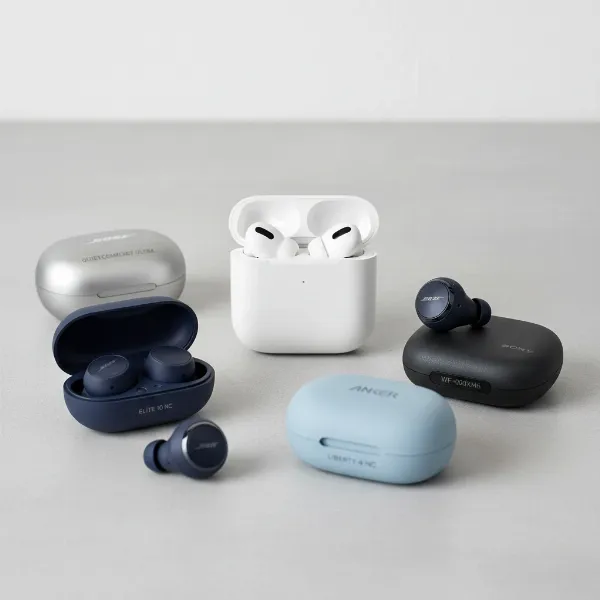
Wireless earphones have transformed how we experience audio, from our daily commutes to intense workout sessions. With over a decade of personal experience in the audio industry, specifically with wireless earphones, I’ve had the opportunity to test and evaluate countless models. I’ve witnessed the evolution of cutting-edge technologies, understood the unique strengths and weaknesses of various product lines, and identified the crucial factors users must consider when selecting their perfect pair. This comprehensive guide aims to distill that knowledge and experience, helping you navigate the vast market of wireless earphones to find a device that perfectly aligns with your needs and budget.
Advantages and Disadvantages of Wireless Earphones
Wireless earphones offer unparalleled freedom, but like any technology, they come with a distinct set of pros and cons. Understanding these can help you decide if they are the right choice for your lifestyle.
Advantages
|
Our Picks for the Best Wireless earphones in 2026
As an Amazon Associate I earn from qualifying purchases.
|
||
| Num | Product | Action |
|---|---|---|
| 1 | HAOYUYAN Wireless Earbuds, Sports Bluetooth Headphones, 80Hrs Playtime Ear Buds with LED Power Display, Noise Canceling Headset, IPX7 Waterproof Earphones for Workout/Running(Black) |

|
| 2 | Apple AirPods Pro 3 Wireless Earbuds, Active Noise Cancellation, Live Translation, Heart Rate Sensing, Hearing Aid Feature, Bluetooth Headphones, Spatial Audio, High-Fidelity Sound, USB-C Charging |
|
| 3 | JBL Vibe Beam - True Wireless JBL Deep Bass Sound Earbuds, Bluetooth 5.2, Water & Dust Resistant, Hands-Free Call with VoiceAware, Up to 32 Hours of Battery Life (Black) |
|
| 4 | Soundcore by Anker P20i True Wireless Earbuds, 10mm Drivers with Big Bass, Bluetooth 5.3, 30H Long Playtime, Water-Resistant, 2 Mics for AI Clear Calls, 22 Preset EQs, Customization via App |
|
| 5 | Wireless Earbuds Bluetooth 5.4 Headphones, 54H Playtime Stereo Earphones with Noise Cancelling Mic, IPX7 Waterproof, Fast Charging and Comfort Fit Ear Buds for Fitness/Sports/Workouts/Travel Black |
|
| 6 | Apple AirPods 4 Wireless Earbuds, Bluetooth Headphones, Personalized Spatial Audio, Sweat and Water Resistant, USB-C Charging Case, H2 Chip, Up to 30 Hours of Battery Life, Effortless Setup for iPhone |
|
| 7 | KTGEE Wireless Earbuds Bluetooth 5.3 Headphones, 40Hrs Playback Stereo Ear Buds with LED Display Charging Case IPX7 Waterproof in-Ear Earphones with Mic for Phone Tablet Laptop Sports, White |
|
| 8 | TOZO A1 Wireless Earbuds, Bluetooth 5.3 Lightweight In-Ear Headphones, Deep Bass Stereo Sound, AI ENC Mics Clear Calls Ear Buds, IPX5 Waterproof Earphones, 32 Presets EQ Customization via App |
|
| 9 | kurdene Wireless Earbuds Bluetooth Headphones Sport,Over Ear Buds with Deep Bass Sound,60Hrs Playtime Earphones Redesigned Comfort Fit with Earhooks for Running,Meeting,Workout-Black |
|
| 10 | Wireless Earbuds Bluetooth 5.4 Headphones, 50H Playtime Stereo Earphones with ENC Noise Cancelling, IPX7 Waterproof Open Ear Buds with Ergonomic Earhook for Fitness/Sports/Workouts/Travel (Black) |
|
The absence of wires is, without a doubt, the most compelling advantage. It liberates you from tangled cables, allowing unrestricted movement whether you’re working out, commuting, or simply moving around your home. This convenience makes wireless earphones a game-changer for active individuals and those who appreciate a clutter-free experience.
Modern wireless earphones boast compact, often minimalist designs that blend seamlessly with personal style. From sleek earbuds to stylish over-ear models, there’s a design for every preference. Their portability means you can easily slip them into a pocket or bag, making high-quality audio accessible wherever you go.
With advancements in Bluetooth technology, connecting wireless earphones to your devices is quicker and more stable than ever. Many models feature instant pairing and the ability to seamlessly switch between multiple devices, enhancing user experience. This reliable connectivity ensures your audio stream remains uninterrupted.
Many wireless earphones are packed with intelligent features that significantly improve their utility. Active Noise Cancellation (ANC) technology can block out distracting ambient sounds, creating a personal oasis of quiet. Conversely, transparency or ambient modes allow you to stay aware of your surroundings, crucial for safety outdoors. Voice assistant integration and intuitive touch controls further enhance the hands-free experience.
Disadvantages
The primary limitation of wireless earphones is their reliance on internal batteries. Unlike wired headphones that draw power from your device, wireless models need regular charging, which can be inconvenient, especially during long trips or busy days. Battery degradation over time is also a factor, meaning the total listening time may decrease with age.
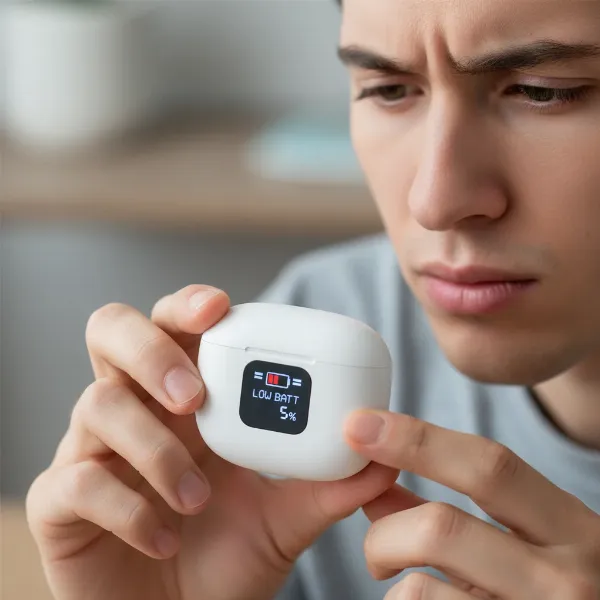 A person looking frustrated at their wireless earphone's charging case with a low battery indicator in a realistic, eye-level shot with soft lighting.
While wireless audio technology has made significant strides, high-end wired headphones still often offer superior sound fidelity, especially for audiophiles. The compression and transmission processes involved in Bluetooth can sometimes result in a subtle loss of detail compared to a direct analog connection. However, for most casual listeners, the sound quality of modern wireless earphones is more than sufficient.
Their small and lightweight design, a major advantage for portability, also makes wireless earphones more susceptible to being lost or misplaced. Furthermore, wireless earphones generally come with a higher price tag than their wired counterparts, due to the integrated battery, Bluetooth components, and advanced features. The miniaturization of electronics also makes them potentially more fragile, requiring careful handling.
Popular Types of Wireless Earphones
The world of wireless audio devices is diverse, offering various designs tailored to different user preferences and activities.
True Wireless Stereo (TWS) Earbuds
True Wireless Stereo (TWS) earbuds are the epitome of wireless freedom. With no cables whatsoever connecting the two earbuds or to a device, they offer the most unencumbered listening experience. Their ultra-compact design makes them incredibly portable and discreet, ideal for everyday use, commuting, and even rigorous sports activities. Many TWS models come with a compact charging case that extends their battery life significantly.
Over-Ear Wireless Headphones
For those prioritizing immersive sound and extended comfort, over-ear wireless headphones are a popular choice. These headphones feature larger drivers and often more robust battery life than earbuds, leading to a richer audio experience and longer listening sessions. Their design naturally provides passive noise isolation, which, when combined with Active Noise Cancellation (ANC), can create an incredibly quiet listening environment. They are favored by audiophiles and travelers who seek superior sound quality and comfort over long periods.
Sports Wireless Earphones
Designed with athletes and active individuals in mind, sports wireless earphones prioritize a secure fit and durability. Many models feature ear hooks, wingtips, or neckbands to ensure they stay firmly in place during intense workouts. Critically, these earphones often boast high IP ratings, indicating resistance to sweat and water, making them suitable for running in the rain or heavy gym sessions. While sound quality is important, stability and resilience are paramount in this category.
Comparing Famous Wireless Earphone Brands
The market for wireless earphones is highly competitive, with numerous brands offering innovative features and distinct advantages. Here’s a comparison of some of the leading players:
Comparison Table
| Brand | Key Advantages | Considerations | Price Range (Estimated) |
|---|---|---|---|
| Apple AirPods Pro | Seamless Apple ecosystem integration, top-tier ANC, spatial audio, comfort. | Pricier, best experience with Apple devices, sound quality good but not class-leading for audiophiles. | $190 – $250 |
| Sony WF-1000XM | Industry-leading sound quality, exceptional ANC, highly customizable app, good battery. | Can be bulky, premium price point. | $250 – $350 |
| Bose QuietComfort | Unmatched ANC, supreme comfort, balanced audio, good for both ecosystems. | Can be bulky, battery life shorter than some competitors, premium price. | $250 – $300 |
| Samsung Galaxy Buds | Great for Samsung users, feature-rich, comfortable, competitive pricing, good IP ratings. | Sound quality sometimes outshined by Sony/Bose, best integration with Samsung devices. | $100 – $200 |
| Jabra Elite | Exceptional durability, secure fit for sports, excellent call quality, strong battery. | Sound quality may not satisfy discerning audiophiles, design can be utilitarian. | $150 – $250 |
| Anker Soundcore | Excellent value for money, reliable performance, good features (ANC). | Sound quality is good for the price but not premium, build materials can feel less premium. | $50 – $150 |
| Google Pixel Buds | Seamless Android integration, Google Assistant, comfortable fit, good sound. | Best experience with Pixel phones, ANC performance can vary. | $100 – $200 |
| Sennheiser | Audiophile-grade sound, premium build quality, reliable connectivity. | Higher price point, design might be larger for some users. | $200 – $350 |
Wireless Earphone Buying Guide
Choosing the ideal pair of wireless earphones involves understanding your specific needs and evaluating key features.
Determine Your Usage Needs
Before diving into specifications, consider how you’ll primarily use your wireless earphones. Are they for daily commuting, intense gym sessions, or focused work calls? Your primary use case will dictate the importance of features like Active Noise Cancellation (ANC), water resistance, or call quality. Determine your budget range, as this will help narrow down the vast selection available. Knowing if you need features like transparency mode for situational awareness or voice control for hands-free operation is also key.
 A diverse group of people using wireless earphones in various settings: commuting, working out, and at an office desk. The image is a vibrant, illustrative style showing different use cases.
Key Factors to Consider
Several critical factors contribute to the overall experience of wireless earphones. Prioritizing these will ensure you make an informed decision.
Sound Quality
Evaluate the sound profile you prefer: deep bass, clear treble, or a balanced signature. Look for models supporting high-resolution audio codecs like LDAC or aptX for the best possible audio fidelity, especially if you’re an audiophile. However, remember that codec support also depends on your source device.
Battery Life
Consider the total listening time per charge and the additional charges provided by the case. For long commutes or travel, a total battery life of 20-30 hours (including the case) is often recommended. Fast charging capabilities are also a convenient bonus.
Design and Fit
Comfort and a secure fit are paramount, especially for extended wear or physical activities. Look for ergonomic designs, various ear tip sizes, and perhaps wingtips or ear hooks to ensure a snug fit that doesn’t cause discomfort or fall out easily.
Connectivity
Most wireless earphones use Bluetooth, but the version matters. Bluetooth 5.0 or newer offers better stability, range, and power efficiency. Features like multipoint pairing allow seamless switching between two devices, and fast pairing simplifies the initial connection process.
Features
Active Noise Cancellation (ANC) is crucial for noisy environments, while transparency modes are vital for safety. Water and sweat resistance (indicated by an IP rating) are essential for sports enthusiasts. Consider other features like customizable EQ, touch controls, and wireless charging for added convenience.
Brand Reputation
Opt for reputable brands known for quality, reliability, and good customer support. Reading reviews from trusted sources can provide valuable insights into real-world performance and durability.
Top Wireless Earphones Popular Today
The market is constantly evolving, but some models consistently stand out for their exceptional performance and popularity.
Apple AirPods Pro
Renowned for their seamless integration within the Apple ecosystem, the AirPods Pro (especially the latest generation) offer excellent Active Noise Cancellation, spatial audio, and a comfortable fit. They deliver clear audio and superior call quality, making them a top choice for iPhone users.
Sony WF-1000XM Series
The Sony WF-1000XM series (currently WF-1000XM6 or XM5) are widely praised for their industry-leading noise cancellation and audiophile-grade sound quality. With a highly customizable sound profile through their companion app and robust battery life, these are a favorite among Android users and audio enthusiasts.
Bose QuietComfort Ultra Earbuds
Bose continues to set the standard for Active Noise Cancellation, and their QuietComfort Ultra Earbuds are no exception. They provide an incredibly quiet listening experience coupled with balanced, high-quality audio and a comfortable, secure fit for most users.
Samsung Galaxy Buds Pro Series
Optimized for Samsung smartphone users, the latest Galaxy Buds Pro series offers a compelling blend of features, sound quality, and competitive pricing. They are known for their comfortable fit, vibrant sound, and excellent integration with Samsung devices, often featuring good water resistance.
Jabra Elite Series
Jabra’s Elite series, particularly models like the Elite 8 Active or Elite 10, are celebrated for their exceptional durability, secure fit for active lifestyles, and outstanding call quality. They are a go-to for fitness enthusiasts and professionals who need reliable performance in challenging environments.
Anker Soundcore Liberty Series
For those seeking great performance without breaking the bank, the Anker Soundcore Liberty series (e.g., Liberty 4 NC) offers remarkable value. They provide solid sound quality, effective noise cancellation, and a feature-rich experience at a more accessible price point.
Wireless earphones have truly redefined our listening habits, offering a blend of convenience, style, and advanced features that wired alternatives simply can’t match. While factors like battery life and initial cost require consideration, the freedom and enhanced experience they provide often far outweigh these drawbacks. With numerous excellent options available, from premium models like the Sony WF-1000XM series and Apple AirPods Pro to budget-friendly powerhouses like the Anker Soundcore Liberty series, there’s a perfect pair of wireless earphones for everyone. Whether you prioritize pristine audio, superior noise cancellation, or rugged durability, taking the time to assess your needs and explore the market will lead you to a truly rewarding audio investment. So, are wireless earphones worth it for you?
Frequently Asked Questions
Are wireless earphones safe for long-term use?
Yes, wireless earphones are generally considered safe for long-term use. The radiofrequency (RF) emissions from Bluetooth devices are very low, significantly less than those from a smartphone, and fall well within international safety guidelines. Prolonged usage is not linked to adverse health effects from radiation.
How do I choose the right size of ear tips for my wireless earphones?
Most wireless earphones come with multiple ear tip sizes. Experiment with different sizes to find the one that creates a secure, comfortable seal in your ear canal. A good seal is crucial for both sound quality (especially bass) and effective noise isolation. Many apps also offer a fit test.
What is Active Noise Cancellation (ANC) and do I need it?
Active Noise Cancellation (ANC) uses microphones to detect ambient noise and then generates an “anti-noise” sound wave to cancel it out, providing a quieter listening experience. If you frequently commute, travel, or work in noisy environments, ANC can significantly enhance your focus and enjoyment.
Can I use wireless earphones with any device?
Most wireless earphones use Bluetooth technology, making them compatible with any Bluetooth-enabled device, including smartphones, tablets, laptops, and smart TVs. However, some features like quick pairing or specific audio codecs might work best within a particular brand’s ecosystem (e.g., AirPods with Apple devices).
How often should I clean my wireless earphones?
It’s recommended to clean your wireless earphones regularly, ideally after every few uses or at least once a week. Use a soft, dry, lint-free cloth to wipe the exterior, and a small brush or cotton swab dipped in rubbing alcohol for ear tips and speaker grilles to remove earwax and debris. This maintains hygiene and sound quality.