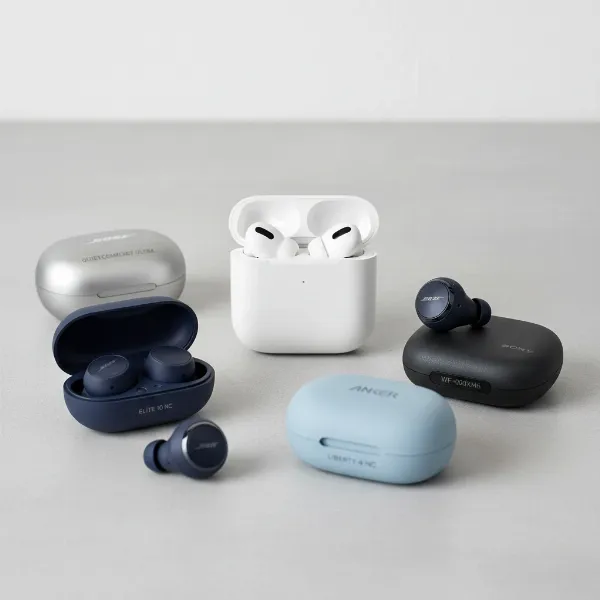
The landscape of personal audio has transformed dramatically, making wireless earphones an essential companion for many. The freedom from tangled cords, combined with compact design and advanced features, has cemented their place in our daily lives. Yet, navigating the vast array of options can be daunting, often leading to choices that fall short of expectations. This guide aims to demystify the selection process, providing you with the knowledge to confidently choose the perfect wireless earphones tailored to your needs and budget.
Advantages and Disadvantages of Wireless Earphones
Understanding the inherent strengths and weaknesses of wireless earphones is the first step towards an informed decision. These devices offer unparalleled convenience but also come with certain trade-offs.
Advantages
|
Our Picks for the Best Wireless earphones in 2026
As an Amazon Associate I earn from qualifying purchases.
|
||
| Num | Product | Action |
|---|---|---|
| 1 | kurdene Wireless Earbuds Bluetooth Headphones Sport,Over Ear Buds with Deep Bass Sound,60Hrs Playtime Earphones Redesigned Comfort Fit with Earhooks for Running,Meeting,Workout-Black |

|
| 2 | Apple AirPods Pro 3 Wireless Earbuds, Active Noise Cancellation, Live Translation, Heart Rate Sensing, Hearing Aid Feature, Bluetooth Headphones, Spatial Audio, High-Fidelity Sound, USB-C Charging |
|
| 3 | Wireless Earbuds Bluetooth 5.4 Headphones, 54H Playtime Stereo Earphones with Noise Cancelling Mic, IPX7 Waterproof, Fast Charging and Comfort Fit Ear Buds for Fitness/Sports/Workouts/Travel Black |
|
| 4 | Soundcore by Anker P20i True Wireless Earbuds, 10mm Drivers with Big Bass, Bluetooth 5.3, 30H Long Playtime, Water-Resistant, 2 Mics for AI Clear Calls, 22 Preset EQs, Customization via App |
|
| 5 | HAOYUYAN Wireless Earbuds, Sports Bluetooth Headphones, 80Hrs Playtime Ear Buds with LED Power Display, Noise Canceling Headset, IPX7 Waterproof Earphones for Workout/Running(Black) |
|
| 6 | KTGEE Wireless Earbuds Bluetooth 5.3 Headphones, 40Hrs Playback Stereo Ear Buds with LED Display Charging Case IPX7 Waterproof in-Ear Earphones with Mic for Phone Tablet Laptop Sports, White |
|
| 7 | JBL Vibe Beam - True Wireless JBL Deep Bass Sound Earbuds, Bluetooth 5.2, Water & Dust Resistant, Hands-Free Call with VoiceAware, Up to 32 Hours of Battery Life (Black) |
|
| 8 | Apple AirPods 4 Wireless Earbuds, Bluetooth Headphones, Personalized Spatial Audio, Sweat and Water Resistant, USB-C Charging Case, H2 Chip, Up to 30 Hours of Battery Life, Effortless Setup for iPhone |
|
| 9 | Wireless Earbuds Bluetooth 5.4 Headphones, 50H Playtime Stereo Earphones with ENC Noise Cancelling, IPX7 Waterproof Open Ear Buds with Ergonomic Earhook for Fitness/Sports/Workouts/Travel (Black) |
|
| 10 | TOZO A1 Wireless Earbuds, Bluetooth 5.3 Lightweight In-Ear Headphones, Deep Bass Stereo Sound, AI ENC Mics Clear Calls Ear Buds, IPX5 Waterproof Earphones, 32 Presets EQ Customization via App |
|
Wireless earphones provide an unmatched level of freedom, liberating users from the constraints of tangled cables, which is particularly beneficial for active lifestyles and daily commutes. Their sleek, often minimalist designs are both compact and stylish, making them easy to carry and integrate seamlessly into any look. Modern wireless earphones boast quick and stable connectivity, thanks to advancements in Bluetooth technology, ensuring a reliable audio experience. Furthermore, many models are packed with advanced features like Active Noise Cancellation (ANC), ambient sound or transparency modes, and voice assistant integration, enhancing usability and immersion.
Disadvantages
Despite their benefits, wireless earphones do have limitations, most notably their reliance on battery power, which necessitates regular recharging and can limit usage time without a charging case. While sound quality has significantly improved, it can sometimes be inferior to high-end wired counterparts, especially in budget-friendly models. Their small size, though convenient, also increases the risk of misplacement or loss, a common concern for users. Lastly, wireless earphones often come with a higher price tag than wired alternatives, offering comparable audio fidelity at a premium.
Popular Types of Wireless Earphones
The market for wireless earphones is diverse, offering various designs to suit different preferences and use cases. Each type brings a unique blend of comfort, functionality, and performance.
True Wireless Earbuds (TWS)
True Wireless Stereo (TWS) earbuds are completely wire-free, with no connection between the left and right earpieces or to the audio source. Their ultra-compact design makes them incredibly portable and discreet, ideal for everyday use, sports, and travel. Most TWS earbuds come with a protective charging case that extends their battery life, often providing multiple charges on the go.
Wireless Over-Ear Headphones
For those prioritizing immersive sound and extended comfort, wireless over-ear headphones are an excellent choice. They typically feature larger drivers, delivering richer bass and a wider soundstage compared to earbuds. Their design provides better passive noise isolation and generally offers longer battery life per charge, making them suitable for long listening sessions at home or during flights.
Wireless Sports Earphones
Designed with active individuals in mind, wireless sports earphones emphasize durability and a secure fit. These models often feature robust sweat and water resistance (indicated by an IP rating) and incorporate stability features like ear hooks or wing tips to keep them firmly in place during strenuous workouts. They offer the freedom of movement essential for running, cycling, and gym activities, ensuring your music keeps pace with your performance.
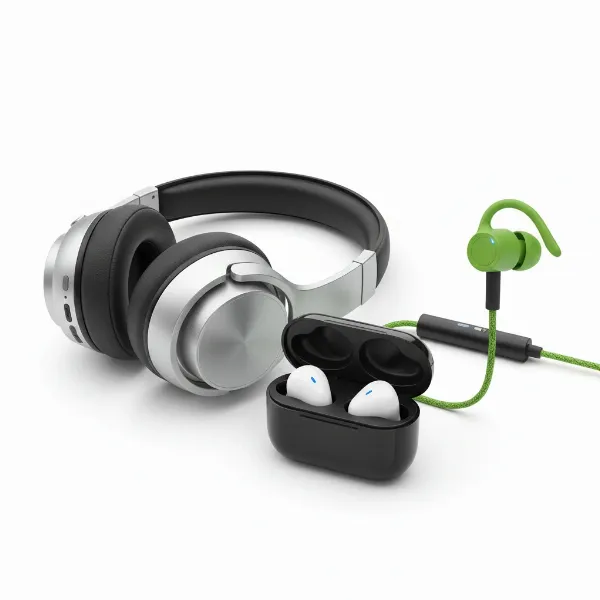 Diverse types of wireless earphones including true wireless earbuds, over-ear, and sports models
Comparing Renowned Wireless Earphone Brands
The market is saturated with brands, each offering a unique proposition. Making an informed choice involves understanding their core strengths and weaknesses. Here’s a comparison of some popular options:
| Brand | Advantages | Disadvantages | Estimated Price Range |
|---|---|---|---|
| Apple AirPods | Seamless integration with Apple ecosystem, good call quality, spatial audio (Pro models) | Premium pricing, sound quality can be average for the cost, limited features outside Apple devices | $129 – $249 |
| Sony | Industry-leading Active Noise Cancellation (ANC), superb audio quality, highly customizable app | Can be expensive, design might not suit all ear shapes | $99 – $330 |
| Samsung | Strong integration with Galaxy phones, competitive pricing, often feature-rich | Sound quality, while good, may not always reach Sony’s top tier, ANC effectiveness varies by model | $99 – $249 |
| Jabra | Excellent for calls, robust build quality, strong water and dust resistance, great for fitness | ANC performance can be good but sometimes less effective than top-tier competitors | $99 – $199 |
| Anker Soundcore | Highly affordable, offers great value for money, impressive battery life, decent ANC in higher-end models | Sound quality is generally good for the price but not audiophile-grade | $50 – $150 |
Wireless Earphone Buying Guide
Choosing the ideal pair of wireless earphones requires a clear understanding of your personal needs and a careful evaluation of key technical specifications. Making the right decision ensures a satisfying and long-lasting listening experience.
Identifying Your Usage Needs
Before diving into specifications, consider how you’ll primarily use your wireless earphones. Are they for casual music listening, immersive movie watching, competitive gaming, clear phone calls, or intense sports activities? Your primary use case will dictate which features are most important, such as top-tier noise cancellation for commuting, robust water resistance for workouts, or low-latency for gaming. Also, establish a realistic budget, as this will significantly narrow down your choices and prevent overspending.
Essential Factors to Consider
Several critical factors play a role in the overall performance and satisfaction derived from your wireless earphones. Sound quality, encompassing bass, treble, and overall clarity, should align with your listening preferences. Investigate supported audio codecs like LDAC or AAC if high-resolution audio is a priority. Battery life is another crucial aspect; check both the playtime per charge for the earbuds and the total playtime extended by the charging case, alongside any fast-charging capabilities.
The fit and comfort are paramount for extended wear; look for models that come with multiple ear tip sizes or ergonomic designs to ensure a snug yet comfortable seal. Connectivity, particularly the Bluetooth version, impacts stability and range, while features like multipoint connectivity (connecting to two devices simultaneously) and low-latency modes are beneficial for seamless transitions between devices or for gaming. Active Noise Cancellation (ANC) and transparency modes offer distinct listening experiences, allowing you to either block out the world or remain aware of your surroundings. Finally, consider the brand’s reputation for reliability, warranty, and customer support, as these aspects contribute to long-term satisfaction.
Top Wireless Earphone Models in 2026
The market continually evolves, but certain categories consistently deliver outstanding performance. Here are types of wireless earphones that remain highly favored:
- Premium Noise-Cancelling Earbuds: These models are engineered to provide industry-leading active noise cancellation, effectively silencing distractions in noisy environments, coupled with exceptional audio fidelity for an immersive listening experience.
- Best Value Earbuds: Striking a remarkable balance between cost and performance, these earphones offer a compelling feature set, including decent sound quality and reliable connectivity, making premium features accessible to a wider audience.
- Sport-Focused Earbuds: Designed for the active user, these durable and lightweight earphones boast high IP ratings for sweat and water resistance, along with secure-fit mechanisms like ear hooks or wing tips to ensure they stay in place during dynamic movements.
- Ecosystem-Optimized Earphones: Tailored for seamless integration within specific operating systems, such as Apple’s AirPods for iPhone users or Samsung’s Galaxy Buds for Android devices, offering exclusive features and enhanced user experience within their respective ecosystems.
“The true measure of excellent wireless earphones isn’t just cutting-edge technology, but how seamlessly they fit into your daily routine and enhance your listening without a second thought.” – Alex Chen, Lead Audio Engineer, Sonic Innovations
Conclusion
Choosing the right wireless earphones can significantly enhance your daily audio experience, but it requires careful consideration to avoid common pitfalls. By prioritizing your usage needs, understanding the differences between popular types, and evaluating essential features like sound quality, battery life, and fit, you can make an informed decision. Remember to research reputable brands and be wary of common mistakes such as ignoring battery life or overpaying for a brand name alone. With these insights, you’re well-equipped to find a pair of wireless earphones that not only meet but exceed your expectations.
What feature is most important for your ideal wireless listening experience?
Câu Hỏi Thường Gặp
Are more expensive wireless earphones always better?
Not necessarily. While higher-priced models often offer premium features like advanced ANC, superior build quality, and high-fidelity codecs, excellent value can be found in mid-range options that deliver a strong balance of performance and features without a hefty price tag. It’s crucial to evaluate specific features against your needs rather than relying solely on cost.
What is ANC, and do I need it?
Active Noise Cancellation (ANC) uses microphones to detect external noise and then generates an inverse sound wave to cancel it out, providing a quieter listening environment. If you frequently commute, work in noisy offices, or travel, ANC can significantly improve your listening experience by reducing distractions. For quiet environments, it might be less critical.
How important is an IP rating for wireless earphones?
An IP (Ingress Protection) rating indicates a device’s resistance to dust and liquids. If you plan to use your earphones during workouts, in the rain, or in dusty environments, an IP rating (e.g., IPX4 for sweat resistance, IP57 for dust and water resistance) is very important. It ensures durability and protects your investment from environmental damage.
What does “True Wireless” mean?
True Wireless (TWS) refers to earbuds that are completely free of wires, with no physical connection between the two earbuds or to the audio source. Each earbud functions independently, connecting directly to your device via Bluetooth. They typically come with a compact charging case that stores and recharges them.