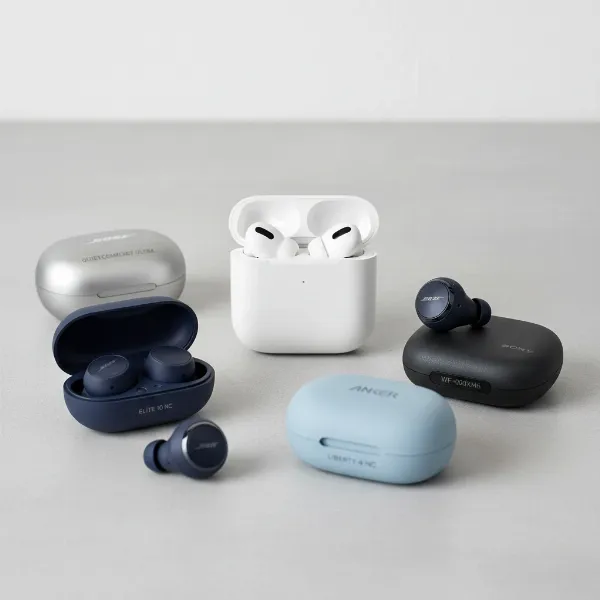
Have you ever found yourself tangled in a mess of wires, frustrated by limited movement while enjoying your favorite music or podcasts? Wireless earphones have revolutionized how we listen, offering unparalleled freedom and convenience. With over a decade of experience navigating the dynamic world of audio technology, especially wireless headphones, I’ve personally tested and evaluated hundreds of models. From cutting-edge innovations to the practicalities of daily use, I understand the critical factors consumers consider. This comprehensive guide will distill my insights, helping you navigate the vast landscape of wireless earphones to find your perfect match, tailored to your needs and budget.
Advantages and Disadvantages of Wireless Earphones
Wireless earphones offer a compelling blend of technology and lifestyle enhancement, but like any innovation, they come with their own set of trade-offs. Understanding these can guide your decision.
Advantages
|
Our Picks for the Best Wireless earphones in 2026
As an Amazon Associate I earn from qualifying purchases.
|
||
| Num | Product | Action |
|---|---|---|
| 1 | KTGEE Wireless Earbuds Bluetooth 5.3 Headphones, 40Hrs Playback Stereo Ear Buds with LED Display Charging Case IPX7 Waterproof in-Ear Earphones with Mic for Phone Tablet Laptop Sports, White |

|
| 2 | Wireless Earbuds Bluetooth 5.4 Headphones, 50H Playtime Stereo Earphones with ENC Noise Cancelling, IPX7 Waterproof Open Ear Buds with Ergonomic Earhook for Fitness/Sports/Workouts/Travel (Black) |
|
| 3 | kurdene Wireless Earbuds Bluetooth Headphones Sport,Over Ear Buds with Deep Bass Sound,60Hrs Playtime Earphones Redesigned Comfort Fit with Earhooks for Running,Meeting,Workout-Black |
|
| 4 | HAOYUYAN Wireless Earbuds, Sports Bluetooth Headphones, 80Hrs Playtime Ear Buds with LED Power Display, Noise Canceling Headset, IPX7 Waterproof Earphones for Workout/Running(Black) |
|
| 5 | JBL Vibe Beam - True Wireless JBL Deep Bass Sound Earbuds, Bluetooth 5.2, Water & Dust Resistant, Hands-Free Call with VoiceAware, Up to 32 Hours of Battery Life (Black) |
|
| 6 | Apple AirPods Pro 3 Wireless Earbuds, Active Noise Cancellation, Live Translation, Heart Rate Sensing, Hearing Aid Feature, Bluetooth Headphones, Spatial Audio, High-Fidelity Sound, USB-C Charging |
|
| 7 | Soundcore by Anker P20i True Wireless Earbuds, 10mm Drivers with Big Bass, Bluetooth 5.3, 30H Long Playtime, Water-Resistant, 2 Mics for AI Clear Calls, 22 Preset EQs, Customization via App |
|
| 8 | Apple AirPods 4 Wireless Earbuds, Bluetooth Headphones, Personalized Spatial Audio, Sweat and Water Resistant, USB-C Charging Case, H2 Chip, Up to 30 Hours of Battery Life, Effortless Setup for iPhone |
|
| 9 | Wireless Earbuds Bluetooth 5.4 Headphones, 54H Playtime Stereo Earphones with Noise Cancelling Mic, IPX7 Waterproof, Fast Charging and Comfort Fit Ear Buds for Fitness/Sports/Workouts/Travel Black |
|
| 10 | TOZO A1 Wireless Earbuds, Bluetooth 5.3 Lightweight In-Ear Headphones, Deep Bass Stereo Sound, AI ENC Mics Clear Calls Ear Buds, IPX5 Waterproof Earphones, 32 Presets EQ Customization via App |
|
The core appeal of wireless earphones lies in their convenience and freedom of movement. Untethered from your device, you can enjoy music while moving around a room, working out, or commuting without snagging a cable. Their compact and stylish design makes them an accessory as much as an audio device, easily slipping into pockets or bags. Quick and stable connectivity through Bluetooth technology ensures a seamless listening experience. Many modern wireless earphones also boast an array of advanced features, including active noise cancellation (ANC) to block out distractions, transparency modes to stay aware of your surroundings, voice control, and even water resistance for active lifestyles.
Disadvantages
Despite their benefits, wireless earphones do have limitations. Limited battery life is a common concern, requiring regular recharging of both the earbuds and their charging case. While battery technology is improving, intense usage, especially with ANC, drains power faster. Sound quality can sometimes be a point of contention; while premium wireless models offer excellent audio, high-end wired headphones often maintain an edge in pure fidelity and lossless audio transmission due to Bluetooth’s current limitations. Their small size makes them easy to misplace or lose, a frustration many users have experienced. Finally, wireless earphones often come with a higher price tag compared to their wired counterparts, especially when considering models with advanced features and superior sound.
[image-1|wireless-earphones-daily-use|A person wearing true wireless earbuds while commuting on a subway, looking comfortable and focused on their music.|
A close-up shot of a person’s head and shoulders, seen from a slight side angle. They are wearing sleek, modern true wireless earbuds. The background is slightly blurred to suggest motion, showing the interior of a subway car with other passengers in the distance. The lighting is soft and ambient, highlighting the earbuds. The person has a relaxed yet engaged expression, reflecting comfort and focus on their audio. The overall style is realistic and contemporary, emphasizing the convenience of wireless technology in an urban setting.]
Popular Types of Wireless Earphones
The world of wireless listening isn’t a one-size-fits-all experience. Different designs cater to various preferences and use cases, each offering distinct advantages.
True Wireless (TWS) Earbuds
True Wireless Stereo (TWS) earbuds represent the pinnacle of wireless freedom, featuring a completely cord-free design for both earpieces. These highly compact and portable devices are perfect for on-the-go use, easily fitting into a pocket or small bag within their charging case. Their secure fit and often sweat-resistant builds make them ideal for sports and active lifestyles, providing unhindered movement during workouts or runs. They prioritize convenience and discreet wear.
Wireless Over-Ear Headphones
For those who prioritize an immersive listening experience and comfort during long sessions, wireless over-ear headphones are a superb choice. Their larger earcups typically house bigger drivers, contributing to superior sound quality with richer bass and a wider soundstage. Over-ear designs also tend to offer longer battery life compared to earbuds, making them suitable for extended travel or work sessions. Many users find them comfortable for prolonged wear, as the earcups fully enclose the ears, distributing pressure evenly. They also often provide excellent passive and active noise isolation.
Wireless Sport Earphones
Designed with athletes and active individuals in mind, wireless sport earphones emphasize durability, stability, and sweat resistance. These typically feature water and sweat-resistant designs (often with an IPX rating) to withstand challenging workouts. Their secure fit, often incorporating ear hooks, wingtips, or neckbands, ensures they stay in place during vigorous activity. Many models also include features like ambient sound modes to enhance safety when exercising outdoors, allowing users to hear their surroundings.
Comparing Popular Wireless Earphone Brands
The market for wireless earphones is highly competitive, with several brands consistently delivering innovative and high-quality products. Here’s a comparison of some leading players:
Brand Comparison Table
| Brand | Key Advantages | Potential Disadvantages | Typical Price Range |
|---|---|---|---|
| Apple AirPods | Seamless ecosystem integration (Apple devices), intuitive controls, good ANC | Higher price, sound quality often “good” but not audiophile-grade, limited Android features | Premium ($150-$250+) |
| Sony | Exceptional sound quality, industry-leading ANC, advanced audio codecs | Can be pricey, design might be bulky for some, foam tips can be less comfortable | Premium ($200-$300+) |
| Samsung | Feature-rich, competitive pricing, good sound (especially with Samsung devices) | ANC good but often not class-leading, sound profile can be brighter | Mid-to-Premium ($100-$250) |
| Jabra | Durable, excellent for calls, robust fitness tracking, water-resistant designs | Sound quality might not match Sony, some models lack AAC codec support | Mid-to-Premium ($100-$250) |
| Anker Soundcore | Excellent value for money, strong features at lower price points, good battery | Sound quality generally good but may not rival premium brands in detail | Budget-to-Mid ($50-$150) |
Apple AirPods, particularly the Pro models, excel in their seamless integration within the Apple ecosystem, offering features like instant pairing and device switching. Their active noise cancellation is highly effective, making them a popular choice for iPhone users. Sony, with models like the WF-1000XM5, is consistently praised for its superior sound quality and best-in-class active noise cancellation, often appealing to audiophiles. Samsung Galaxy Buds offer a compelling package with a variety of features and competitive pricing, making them a strong contender for Android users. Jabra stands out for its durability and fitness-focused features, often boasting high water resistance and excellent call quality, though their sound might not always compete with Sony’s top offerings. Anker Soundcore provides excellent value for money, delivering a strong feature set, including good ANC and solid battery life, at a more accessible price point.
Your Guide to Choosing Wireless Earphones
Selecting the perfect pair of wireless earphones requires thoughtful consideration of your individual needs and priorities. With so many options available, a structured approach can help.
Determine Your Usage Needs
Start by asking yourself: What will you primarily use your earphones for? If it’s daily commuting or office work, strong active noise cancellation and comfortable fit for extended wear are crucial. For workouts and sports, look for sweat and water resistance, a secure fit that won’t fall out, and potentially features like ambient sound. If audio quality is your top priority for critical listening, focus on models known for their sound reproduction and codec support. For frequent calls, microphone quality is paramount. Also, consider your budget – entry-level options offer great value, while premium models bring advanced features and refined performance.
Key Factors to Consider
- Sound Quality: Evaluate aspects like bass depth, treble clarity, and overall detail. Some prefer a balanced sound, while others might like enhanced bass. Reviews often highlight these characteristics.
- Battery Life: Consider both the playtime of the earbuds themselves and the total battery life with the charging case. If you’re often away from power, longer stamina is essential.
- Design and Fit: Comfort is subjective but critical for long-term use. Try different ear tip sizes, or consider designs like ear hooks for added security. A good seal is vital for both sound quality and effective noise cancellation.
- Connectivity: Most wireless earphones use Bluetooth. Look for the latest Bluetooth versions (e.g., 5.3 or 5.4) for improved stability, range, and power efficiency. Codec support (e.g., AAC, aptX, LDAC) impacts audio quality, especially for Android users.
- Features:
- Active Noise Cancellation (ANC): Essential for reducing ambient noise in loud environments.
- Transparency Mode (or Ambient Sound): Allows you to hear your surroundings without removing the earphones, great for safety or quick conversations.
- Voice Control: Integration with virtual assistants like Siri or Google Assistant.
- Water Resistance: Indicated by an IPX rating, crucial for sports or use in varied weather.
- Brand Reputation and Warranty: Opt for reputable brands known for quality and reliable customer support. A good warranty offers peace of mind.
Top Wireless Earphone Models of Today
The wireless earphone market is constantly evolving, but certain models consistently stand out for their performance, features, and overall user experience. Here are some of the most popular and highly-rated options:
Popular Models and Their Highlights
- Apple AirPods Pro (3rd Gen): Often regarded as the gold standard for Apple users, these earbuds offer exceptional active noise cancellation, a refined audio experience, and seamless integration with the Apple ecosystem. They provide a comfortable, secure fit and boast improved durability over previous generations.
- Sony WF-1000XM5: These earbuds are a powerhouse for audiophiles and anyone prioritizing top-tier sound quality and industry-leading noise cancellation. They deliver rich, detailed audio with powerful bass and boast impressive battery life, making them excellent for travel and immersive listening.
- Samsung Galaxy Buds Pro (3rd Gen): A strong contender, especially for Samsung users, these earbuds offer a feature-packed experience with a comfortable, lightweight design. They provide good active noise cancellation, a balanced sound profile, and useful smart features, often at a competitive price point.
- Jabra Elite Active 8 Gen 2 / Elite 10 Gen 2: Jabra’s offerings are celebrated for their rugged durability, excellent call quality, and secure fit, making them ideal for active individuals. The Elite 8 Active boasts military-grade durability and high water resistance, while the Elite 10 Gen 2 focuses on premium comfort and spatial audio.
- Anker Soundcore Liberty 4 Pro / Space A40: Anker’s Soundcore line delivers outstanding value, combining strong features with accessible pricing. Models like the Liberty 4 Pro offer good sound, effective ANC, and a unique charging case, while the Space A40 is praised for its excellent noise cancellation and solid audio performance in its budget category.
“The advancement in wireless audio technology over the last decade has been astounding. We’ve moved from simple convenience to genuine high-fidelity sound, noise cancellation that rivals larger headphones, and intelligent features that truly enhance daily life. The best wireless earphones today are not just gadgets; they are an integral part of our personal soundscapes.” – Dr. Anya Sharma, Lead Audio Engineer at Sonic Innovations.
Conclusion
Choosing the perfect pair of wireless earphones means finding the sweet spot where your personal listening preferences, lifestyle, and budget intersect. Whether you prioritize pristine audio quality, robust noise cancellation, unparalleled comfort, or durable design for active use, the market offers a diverse range of options. From the seamless integration of Apple AirPods to the audiophile-grade performance of Sony, the robust fitness features of Jabra, or the exceptional value from Anker Soundcore, there’s a wireless earphone out there designed just for you.
With the insights shared, you’re now equipped to make an informed decision. Which feature will be the ultimate deal-breaker or maker for you in your quest for the ideal wireless listening experience?
Frequently Asked Questions
What is the most important factor when choosing wireless earphones?
While individual priorities vary, a comfortable and secure fit is arguably the most crucial factor, as it directly impacts sound quality, noise isolation, and long-term wearability. Even the best-sounding earphones are disappointing if they don’t fit well or cause discomfort.
Do wireless earphones offer the same sound quality as wired headphones?
Generally, high-end wired headphones can still offer superior sound fidelity due to their direct analog connection and lack of Bluetooth compression limitations. However, modern wireless earphones, especially premium models with advanced codecs, have significantly closed this gap, offering excellent audio quality that is more than sufficient for most listeners.
How important is Active Noise Cancellation (ANC) in wireless earphones?
ANC is highly important for users who frequently commute, travel, or work in noisy environments. It significantly reduces ambient sounds, allowing for a more immersive listening experience or a quieter space for concentration. For quieter environments, it may be less critical, but it remains a highly valued feature.
Can I use wireless earphones for gaming?
Yes, many wireless earphones can be used for gaming. However, for competitive gaming, it’s essential to look for models with low-latency Bluetooth codecs (like aptX Low Latency, if supported by your device) to minimize audio delay and ensure real-time sound synchronization.
How long do wireless earphones typically last?
The lifespan of wireless earphones varies by brand, usage, and care, but generally, the internal rechargeable batteries will degrade over 2-3 years, leading to reduced playtime. The physical components, if well-maintained, can last longer.