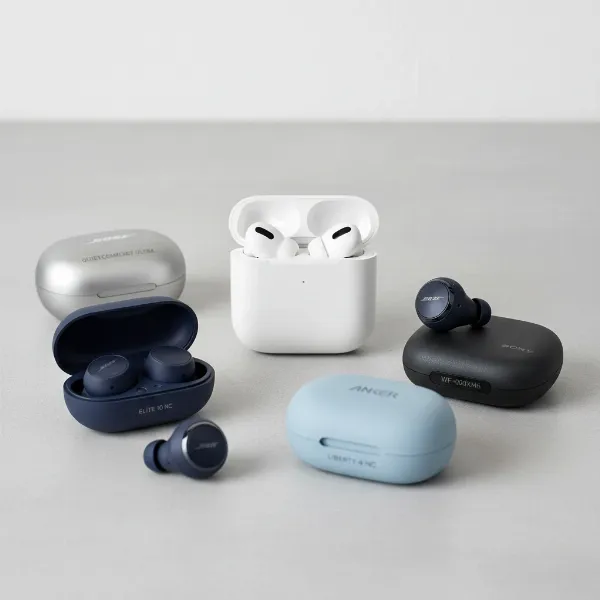
In the ever-evolving world of personal audio, wireless earphones have emerged as a cornerstone of modern convenience, fundamentally changing how we consume sound. From daily commutes to intense workouts, these compact devices offer unparalleled freedom and a gateway to immersive listening experiences. Yet, with a dizzying array of options, features, and price points, choosing the perfect pair for your everyday life can feel like a daunting task. This comprehensive guide, informed by extensive real-world testing and a deep understanding of audio technology, aims to cut through the noise, helping you pinpoint the ideal wireless earphones that align with your lifestyle, preferences, and budget. We’ll explore the advantages and trade-offs, dissect popular types, compare leading brands, and provide a clear roadmap to making an informed decision, ensuring your next audio investment truly enhances your daily auditory journey.

Advantages and Disadvantages of Wireless Earphones
Wireless earphones offer a compelling blend of freedom and functionality, but it’s essential to understand both their strengths and weaknesses to determine if they are the right choice for your everyday use.
Advantages
|
Our Picks for the Best Wireless earphones in 2026
As an Amazon Associate I earn from qualifying purchases.
|
||
| Num | Product | Action |
|---|---|---|
| 1 | kurdene Wireless Earbuds Bluetooth Headphones Sport,Over Ear Buds with Deep Bass Sound,60Hrs Playtime Earphones Redesigned Comfort Fit with Earhooks for Running,Meeting,Workout-Black |

|
| 2 | Apple AirPods 4 Wireless Earbuds, Bluetooth Headphones, Personalized Spatial Audio, Sweat and Water Resistant, USB-C Charging Case, H2 Chip, Up to 30 Hours of Battery Life, Effortless Setup for iPhone |
|
| 3 | JBL Vibe Beam - True Wireless JBL Deep Bass Sound Earbuds, Bluetooth 5.2, Water & Dust Resistant, Hands-Free Call with VoiceAware, Up to 32 Hours of Battery Life (Black) |
|
| 4 | Apple AirPods Pro 3 Wireless Earbuds, Active Noise Cancellation, Live Translation, Heart Rate Sensing, Hearing Aid Feature, Bluetooth Headphones, Spatial Audio, High-Fidelity Sound, USB-C Charging |
|
| 5 | Wireless Earbuds Bluetooth 5.4 Headphones, 54H Playtime Stereo Earphones with Noise Cancelling Mic, IPX7 Waterproof, Fast Charging and Comfort Fit Ear Buds for Fitness/Sports/Workouts/Travel Black |
|
| 6 | TOZO A1 Wireless Earbuds, Bluetooth 5.3 Lightweight In-Ear Headphones, Deep Bass Stereo Sound, AI ENC Mics Clear Calls Ear Buds, IPX5 Waterproof Earphones, 32 Presets EQ Customization via App |
|
| 7 | HAOYUYAN Wireless Earbuds, Sports Bluetooth Headphones, 80Hrs Playtime Ear Buds with LED Power Display, Noise Canceling Headset, IPX7 Waterproof Earphones for Workout/Running(Black) |
|
| 8 | Wireless Earbuds Bluetooth 5.4 Headphones, 50H Playtime Stereo Earphones with ENC Noise Cancelling, IPX7 Waterproof Open Ear Buds with Ergonomic Earhook for Fitness/Sports/Workouts/Travel (Black) |
|
| 9 | Soundcore by Anker P20i True Wireless Earbuds, 10mm Drivers with Big Bass, Bluetooth 5.3, 30H Long Playtime, Water-Resistant, 2 Mics for AI Clear Calls, 22 Preset EQs, Customization via App |
|
| 10 | KTGEE Wireless Earbuds Bluetooth 5.3 Headphones, 40Hrs Playback Stereo Ear Buds with LED Display Charging Case IPX7 Waterproof in-Ear Earphones with Mic for Phone Tablet Laptop Sports, White |
|
The convenience and freedom offered by wireless earphones are arguably their most significant selling points. Without the constraint of tangled cables, users can move uninhibited, whether performing household chores, commuting on crowded public transport, or exercising vigorously. This untethered experience transforms mundane activities into opportunities for uninterrupted audio enjoyment.
Wireless earphones boast a compact and often stylish design, making them an aesthetic accessory as much as a functional device. True wireless earbuds, in particular, are incredibly discreet, fitting snugly into the ear without protruding significantly, and come with compact charging cases that easily slip into pockets or small bags. Their sleek profiles and various color options allow them to blend seamlessly with personal style.
Modern wireless earphones excel in quick and stable connectivity, largely thanks to advancements in Bluetooth technology. Pairing with devices is typically a straightforward process, and many models now offer multipoint connectivity, allowing seamless switching between two audio sources. Features like active noise cancellation (ANC) block out distractions, while transparency modes keep you aware of your surroundings, enhancing both immersion and safety. Voice assistants, touch controls, and water resistance further augment their utility, making them versatile companions for various scenarios.
Disadvantages
Despite their numerous benefits, wireless earphones do come with limitations, the most prominent being battery life. While advancements have significantly improved playback times, all wireless earphones eventually require recharging, which can be inconvenient during extended travel or long days without access to a power source. Users must remember to charge both the earbuds and their accompanying case to maintain functionality.
While top-tier wireless earphones offer impressive audio quality, some audiophiles argue that they may not quite match the pristine fidelity of high-end wired counterparts, especially in uncompressed formats. The digital compression inherent in Bluetooth transmission can, in certain circumstances, subtly impact the depth and detail of the sound. However, for most everyday listeners, the difference is negligible, and convenience often outweighs this potential compromise.
The compact nature of wireless earphones, especially true wireless models, makes them susceptible to being misplaced or lost. A single earbud can easily slip out during activity or be forgotten, leading to costly replacements. Moreover, the initial investment for quality wireless earphones often exceeds that of comparable wired models, reflecting the advanced technology, smaller form factor, and integrated features they offer.
Popular Types of Wireless Earphones
The market for wireless earphones is diverse, with several distinct types designed to cater to different preferences and use cases. Understanding these categories is key to selecting the perfect pair for your lifestyle.
True Wireless Stereo (TWS) Earphones
True Wireless Stereo (TWS) earphones represent the pinnacle of wire-free convenience, offering a completely untethered experience. Each earbud operates independently, connecting wirelessly to your device and often to each other, embodying ultimate freedom and portability. Their compact size makes them incredibly easy to carry, fitting discreetly into your ears and a small charging case that recharges them on the go. TWS earphones are exceptionally popular for daily commuting, casual listening, and especially for sports and fitness activities, where the absence of any wires allows for unrestricted movement.
Wireless Over-Ear/On-Ear Headphones
While often referred to as “headphones” rather than “earphones,” wireless over-ear and on-ear models deserve mention for those seeking superior audio immersion and extended comfort. These designs encase or rest on the entire ear, generally providing better passive noise isolation and larger drivers that can deliver richer, more expansive sound. Their larger batteries typically offer significantly longer playback times compared to TWS earbuds, making them ideal for long-haul flights or extended work sessions. They are favored by users prioritizing sound quality, battery life, and comfort for prolonged listening, though their bulkier form factor makes them less portable than earbuds.
Wireless Sport Earphones
Designed with active users in mind, wireless sport earphones prioritize stability, durability, and resistance to elements. These often feature ear hooks, wingtips, or neckbands to ensure a secure fit, preventing them from falling out during intense workouts or runs. Crucially, they typically come with high IPX ratings for water and sweat resistance, protecting internal components from moisture damage. Sport earphones are built to withstand challenging environments, making them the go-to choice for athletes, gym-goers, and anyone with an active lifestyle who needs their audio to keep up with their pace.
Comparing Leading Wireless Earphone Brands
The wireless earphone market is dominated by several key players, each bringing unique strengths to the table. This comparison highlights some of the most recognized brands and their signature offerings.
| Brand | Key Strengths | Potential Weaknesses | Noteworthy Models (Approx. Price Range USD) |
|---|---|---|---|
| Apple AirPods | Seamless integration with Apple ecosystem, intuitive controls, excellent ANC (Pro models) | Higher price, sound quality can be moderate for audiophiles, limited customization outside iOS | AirPods Pro 3 ($200-250), AirPods (Gen 3) ($150-180) |
| Sony | Industry-leading noise cancellation, exceptional audio quality, customizable sound via app | Often premium price point, some designs can be bulky for smaller ears | WF-1000XM6 ($250-300), WF-C710N ($90-120) |
| Samsung Galaxy Buds | Strong integration with Samsung ecosystem, balanced sound, compact design, competitive pricing | ANC can trail competitors, battery life varies by model | Galaxy Buds3 Pro ($200-250), Galaxy Buds FE ($90-120) |
| Bose | Superior noise cancellation, comfortable fit, rich bass, clear call quality | Generally higher price, designs can be larger than competitors | QuietComfort Ultra Earbuds (Gen 2) ($250-300), Ultra Open Earbuds ($200-250) |
| Jabra | Excellent call quality, robust build, strong battery life, good for fitness | Audio quality might not compete with top audiophile brands, some models lack advanced ANC | Elite Active 75t ($100-150), Elite 10 ($200-250) |
| Anker Soundcore | Outstanding value for money, good features at lower price points, solid battery life | Sound profile can be less refined than premium brands, ANC effectiveness varies | Liberty 4 NC ($80-100), Space A40 ($80-100) |
| Google Pixel Buds | Seamless Android integration, Google Assistant features, adaptive sound, comfortable fit | ANC can be inconsistent, design might not suit all ear shapes | Pixel Buds Pro 2 ($150-200), Pixel Buds A-Series ($80-100) |
Wireless Earphones Buying Guide
Choosing the ideal pair of wireless earphones requires a thoughtful assessment of your personal needs and priorities. By considering key factors, you can narrow down the vast array of options to find a perfect match.
Determine Your Usage Needs
Before diving into specifications, reflect on how you primarily intend to use your earphones. Are they for daily music listening during commutes, critical listening for audio production, immersive gaming, frequent phone calls, or intense sports activities? Different use cases demand different features. For example, a gamer might prioritize low latency, while a commuter will value robust noise cancellation and long battery life. Consider if specific features like spatial audio for movies, advanced microphone arrays for conferences, or ambient sound modes for safety are crucial for your daily routine. Your budget also plays a significant role here, as advanced features often come with a higher price tag.
Key Factors to Consider
Several technical and practical aspects warrant your attention when evaluating wireless earphones.
- Sound Quality: This is subjective but critical. Look for reviews that discuss the sound profile—whether it emphasizes bass, has clear highs (treble), or offers a balanced, detailed soundstage. Some models allow EQ customization via an app, giving you control over the audio signature. Codec support (e.g., LDAC, aptX Adaptive) can also impact audio fidelity for compatible devices.
- Battery Life: Check both the earphone’s playtime on a single charge and the total battery life offered by the charging case. For heavy users or travelers, longer individual earbud battery life is paramount, typically 6-8 hours or more. The case should offer multiple recharges, extending total listening time to 20-30 hours.
- Design and Comfort: Earphones should feel comfortable and secure in your ears for extended periods. Consider the form factor (in-ear, semi-open, over-ear). Many come with various ear tip sizes to ensure a proper seal, which is vital for both sound quality and noise isolation. Ergonomics, weight, and the overall aesthetic should align with your personal preferences and intended use.
- Connectivity: Bluetooth version (e.g., 5.2, 5.3) affects stability, range, and power efficiency. Look for features like multipoint connectivity for seamless switching between two devices, and fast pairing capabilities.
- Features:
- Active Noise Cancellation (ANC): Essential for noisy environments like public transport or open-plan offices, effectively blocking out ambient sound.
- Transparency/Ambient Mode: Allows you to hear your surroundings without removing the earphones, crucial for safety or quick conversations.
- Voice Control: Integration with virtual assistants (Siri, Google Assistant, Alexa) for hands-free operation.
- Water Resistance (IPX rating): Important for workouts or outdoor use, indicating protection against sweat and splashes.
- Wireless Charging: Convenient for charging the case without cables.
- App Support: Companion apps often provide EQ adjustments, firmware updates, customizable controls, and battery monitoring.
- Brand and Warranty: Opting for reputable brands often ensures better build quality, reliable performance, and comprehensive customer support with a good warranty. Researching brand-specific reviews can provide insights into long-term reliability.
Top Wireless Earphone Models for Everyday Use
Based on extensive testing and user feedback, several models consistently stand out for their blend of performance, features, and comfort, making them excellent choices for everyday use.
Apple AirPods Pro 3
For iPhone users, the Apple AirPods Pro 3 remain an industry benchmark. They offer unparalleled integration within the Apple ecosystem, delivering seamless pairing, automatic switching between Apple devices, and “Hey Siri” functionality. Their active noise cancellation is remarkably effective, creating a personal oasis in noisy environments, while the adaptive transparency mode provides natural-sounding awareness. The audio quality is balanced and clear, suitable for a wide range of genres, and their comfortable, secure fit makes them ideal for daily wear and workouts. Swipe controls on the stem allow for easy volume adjustments, a welcome addition.
Sony WF-1000XM6
Often lauded for their superior audio fidelity and world-class noise cancellation, the Sony WF-1000XM6 are a prime choice for audiophiles and commuters alike. These earbuds deliver a rich, detailed sound profile with powerful bass and crisp highs, customizable further through Sony’s comprehensive companion app. The ANC technology is highly effective at silencing ambient noise, rivaling full-sized headphones. While their design can be slightly bulkier than some competitors, they come with comfortable memory foam ear tips that enhance both fit and isolation. With features like DSEE Extreme audio upscaling and LDAC support, they offer an exceptional listening experience.
Samsung Galaxy Buds3 Pro
Designed to complement the Samsung ecosystem, the Galaxy Buds3 Pro are a strong contender for Android users, particularly those with Samsung devices. They feature a comfortable, ergonomic design that provides a secure fit, even during active use. The audio quality is robust and dynamic, often tuned by AKG, with effective active noise cancellation and an ambient sound mode. Key features include 360 Audio for immersive soundscapes and Auto Switch for seamless transitions between compatible Samsung devices. Their competitive pricing combined with a feature-rich experience makes them an attractive option.
Jabra Elite Active 75t
Known for their rugged durability and excellent performance during workouts, the Jabra Elite Active 75t are a fantastic choice for active individuals. They boast an IP57 rating, making them highly resistant to sweat and water, and their secure, ergonomic fit ensures they stay put no matter the intensity of your activity. Beyond sports, they offer strong audio quality, effective passive noise isolation, and a reliable connection. While newer models have emerged, the 75t still provides a compelling balance of features, durability, and sound for an active lifestyle, often at a more accessible price point.
Anker Soundcore Liberty 4 NC
For those seeking premium features without the premium price tag, the Anker Soundcore Liberty 4 NC stands out. These earbuds offer surprisingly potent noise cancellation, often rivaling more expensive brands, along with a comfortable fit and a balanced sound signature that can be customized via the Soundcore app’s HearID feature. They provide excellent battery life, strong call quality, and a robust feature set including multi-device connectivity. The Liberty 4 NC proves that high-quality wireless audio and effective ANC are accessible to a wider audience, offering exceptional value for everyday listening.
Conclusion
Navigating the expansive world of wireless earphones for everyday use can seem complex, but by understanding your individual needs and the key factors discussed, you can confidently choose a pair that elevates your audio experience. Whether you prioritize ultimate sound quality, cutting-edge noise cancellation, seamless ecosystem integration, or rugged durability for an active lifestyle, there’s a perfect wireless earphone designed to meet your demands. Remember to consider battery life, comfort, and the specific features most important to your routine. The right pair will not only deliver exceptional sound but also integrate effortlessly into your daily life, making every commute, workout, and moment of relaxation more enjoyable. Which feature will be the deciding factor for your next wireless earphone upgrade?
Frequently Asked Questions
What is the average battery life for wireless earphones?
Most modern wireless earphones offer between 5 to 9 hours of playback on a single charge, with their charging cases typically providing an additional 2 to 4 full charges. This extends the total listening time to anywhere from 20 to 36 hours, depending on the model and whether features like Active Noise Cancellation (ANC) are engaged.
Are wireless earphones safe for extended use?
Generally, yes. Wireless earphones emit very low levels of radiofrequency (RF) energy, which are significantly below international safety guidelines. The primary concern with extended use is potential hearing damage from listening at excessively high volumes, so it’s advisable to keep the volume at moderate levels to protect your ears.
Can I use wireless earphones with any device?
Most wireless earphones utilize Bluetooth technology, making them broadly compatible with any Bluetooth-enabled device, including smartphones, tablets, laptops, and smartwatches, regardless of their operating system. However, certain advanced features, such as seamless device switching or spatial audio, might be optimized for specific ecosystems (e.g., Apple AirPods with iOS devices).
Is Active Noise Cancellation (ANC) worth it?
ANC is highly recommended if you frequently listen to audio in noisy environments, such as on public transport, in an office, or during flights. It significantly reduces ambient sounds, allowing for a more immersive listening experience and potentially reducing the need to raise the volume, thus protecting your hearing.
How important is the IPX rating for wireless earphones?
The IPX rating indicates a device’s resistance to dust and water. For everyday use, especially if you plan to wear your earphones during workouts or outdoors, an IPX4 rating or higher is beneficial as it protects against sweat and splashes. A higher rating (e.g., IPX7) signifies greater water resistance, making them suitable for more rigorous activities or even accidental submersion.
What is the difference between True Wireless Stereo (TWS) and neckband wireless earphones?
True Wireless Stereo (TWS) earphones are entirely free of wires, with each earbud operating independently. Neckband wireless earphones, conversely, have a wire connecting the two earbuds, which rests around the user’s neck, often housing the battery and controls. TWS offers maximum freedom, while neckbands can provide longer battery life and are less prone to being lost.
How do I maintain and clean my wireless earphones?
To ensure longevity and hygiene, regularly wipe your earphones with a soft, dry, lint-free cloth. For ear tips, gentle cleaning with a slightly damp cloth and mild soap is often recommended. Ensure they are completely dry before reattaching them. Periodically clean charging contacts with a cotton swab to prevent connection issues.