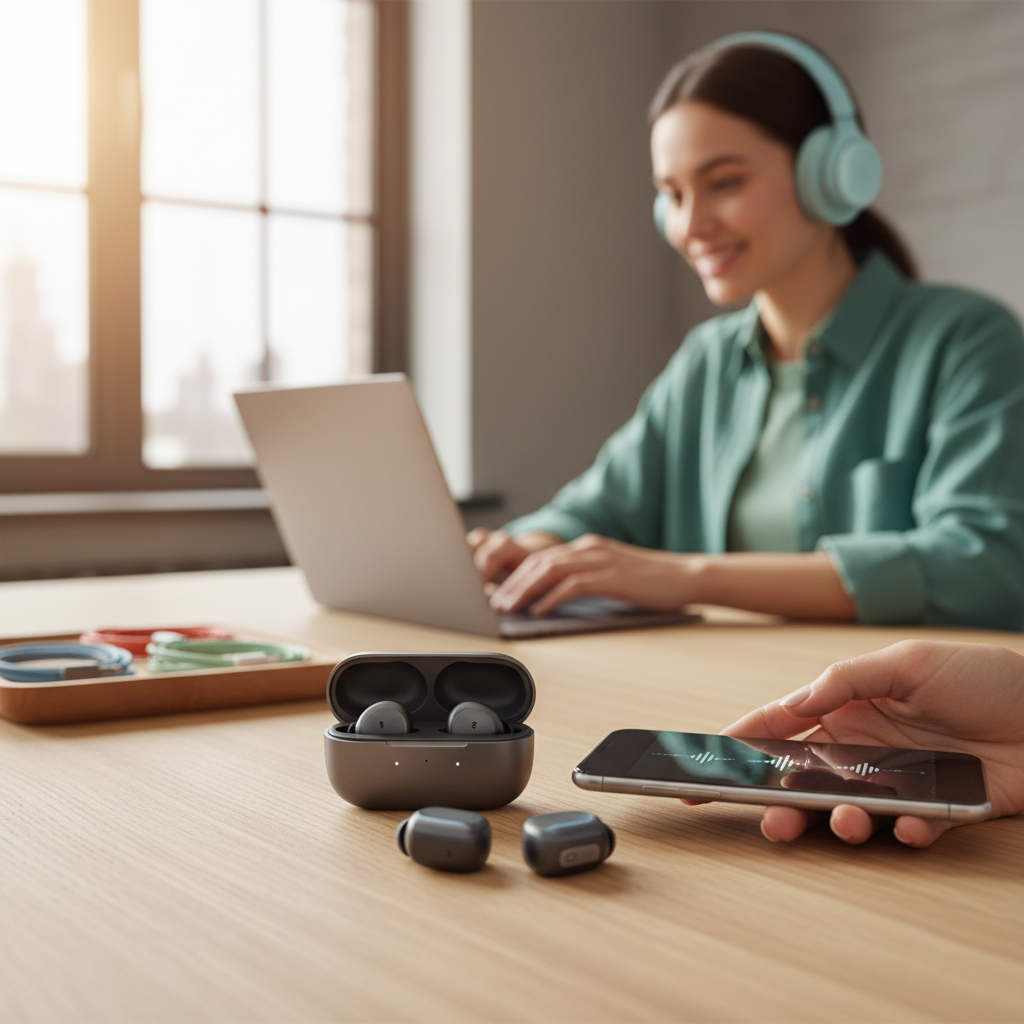
Navigating the vast market of wireless earphones can feel overwhelming, with countless models promising unparalleled audio and cutting-edge features. As someone deeply embedded in the audio world for over a decade, testing hundreds of wireless earphones, I understand the critical factors consumers consider. This article distills extensive experience and customer feedback to help you uncover the perfect wireless companion, ensuring it aligns with your lifestyle and budget.
Advantages and Disadvantages of Wireless Earphones
Wireless earphones have revolutionized how we experience audio, but like any technology, they come with a distinct set of pros and cons that users frequently highlight.
Advantages
|
Our Picks for the Best Wireless earphones in 2026
As an Amazon Associate I earn from qualifying purchases.
|
||
| Num | Product | Action |
|---|---|---|
| 1 | kurdene Wireless Earbuds Bluetooth Headphones Sport,Over Ear Buds with Deep Bass Sound,60Hrs Playtime Earphones Redesigned Comfort Fit with Earhooks for Running,Meeting,Workout-Black |

|
| 2 | Soundcore by Anker P20i True Wireless Earbuds, 10mm Drivers with Big Bass, Bluetooth 5.3, 30H Long Playtime, Water-Resistant, 2 Mics for AI Clear Calls, 22 Preset EQs, Customization via App |
|
| 3 | HAOYUYAN Wireless Earbuds, Sports Bluetooth Headphones, 80Hrs Playtime Ear Buds with LED Power Display, Noise Canceling Headset, IPX7 Waterproof Earphones for Workout/Running(Black) |
|
| 4 | TOZO A1 Wireless Earbuds, Bluetooth 5.3 Lightweight In-Ear Headphones, Deep Bass Stereo Sound, AI ENC Mics Clear Calls Ear Buds, IPX5 Waterproof Earphones, 32 Presets EQ Customization via App |
|
| 5 | JBL Vibe Beam - True Wireless JBL Deep Bass Sound Earbuds, Bluetooth 5.2, Water & Dust Resistant, Hands-Free Call with VoiceAware, Up to 32 Hours of Battery Life (Black) |
|
| 6 | Apple AirPods 4 Wireless Earbuds, Bluetooth Headphones, Personalized Spatial Audio, Sweat and Water Resistant, USB-C Charging Case, H2 Chip, Up to 30 Hours of Battery Life, Effortless Setup for iPhone |
|
| 7 | KTGEE Wireless Earbuds Bluetooth 5.3 Headphones, 40Hrs Playback Stereo Ear Buds with LED Display Charging Case IPX7 Waterproof in-Ear Earphones with Mic for Phone Tablet Laptop Sports, White |
|
| 8 | Apple AirPods Pro 3 Wireless Earbuds, Active Noise Cancellation, Live Translation, Heart Rate Sensing, Hearing Aid Feature, Bluetooth Headphones, Spatial Audio, High-Fidelity Sound, USB-C Charging |
|
| 9 | Wireless Earbuds Bluetooth 5.4 Headphones, 54H Playtime Stereo Earphones with Noise Cancelling Mic, IPX7 Waterproof, Fast Charging and Comfort Fit Ear Buds for Fitness/Sports/Workouts/Travel Black |
|
| 10 | Wireless Earbuds Bluetooth 5.4 Headphones, 50H Playtime Stereo Earphones with ENC Noise Cancelling, IPX7 Waterproof Open Ear Buds with Ergonomic Earhook for Fitness/Sports/Workouts/Travel (Black) |
|
The primary appeal of wireless earphones lies in their convenience and freedom of movement. Eliminating tangled cables provides an unrestricted listening experience, ideal for commutes, workouts, or simply moving around the house. Their compact and often stylish design makes them highly portable, easily slipping into a pocket or bag. Connection is typically fast and stable via Bluetooth, with modern versions offering seamless pairing and reliable performance.
Beyond basic audio, many wireless earphones boast a suite of advanced features. Active Noise Cancellation (ANC) effectively mutes ambient sounds, creating a personal audio sanctuary, while transparency modes allow users to stay aware of their surroundings. Other functionalities include voice control, customizable EQ settings, and multi-device connectivity, enhancing the overall user experience.
Disadvantages
Despite their benefits, wireless earphones present several drawbacks. Limited battery life is a common concern, necessitating regular charging of both the earbuds and their case, which can be inconvenient, especially during long journeys. While sound quality has significantly improved, it may not always match high-end wired headphones in terms of raw fidelity, with potential for audio compression and latency depending on Bluetooth codecs.
The small, lightweight design makes them prone to being lost or misplaced. Connectivity issues can also arise, with Bluetooth signals susceptible to interference from other devices, leading to dropouts or degraded audio quality. Furthermore, the miniaturization of components can make wireless earphones more susceptible to damage from drops or moisture, impacting their durability. Some users also express potential health concerns regarding long-term exposure to electromagnetic radiation (EMR) and the risk of ear infections from prolonged in-ear use, although scientific consensus generally considers them safe at current emission levels.
Popular Types of Wireless Earphones
The market offers several distinct types of wireless earphones, each designed to cater to different user preferences and activities.
True Wireless Earbuds (TWS)
True Wireless Stereo (TWS) earbuds are characterized by their complete absence of wires, offering maximum freedom. They are typically small, lightweight, and come with a charging case that extends their battery life on the go. TWS earbuds are highly favored for daily commuting, casual listening, and sports due to their unobtrusive fit and portability. Models like the Apple AirPods Pro and Sony WF-1000XM series are prime examples, praised for their advanced features like ANC and spatial audio.
Wireless On-Ear/Over-Ear Headphones
While the focus here is primarily on “earphones,” it’s worth noting that wireless technology also extends to larger on-ear and over-ear headphones. These typically offer superior sound quality, longer battery life, and more robust noise cancellation compared to their in-ear counterparts, often preferred by audiophiles or those seeking immersive listening experiences at home or during travel. Their larger form factor, however, sacrifices some portability.
Sport-Specific Wireless Earphones
Designed for active individuals, sport-specific wireless earphones prioritize a secure fit, durability, and resistance to sweat and water. They often feature ear hooks or wingtips to ensure they stay in place during vigorous workouts. Brands like Jabra and Shokz offer models tailored for fitness, emphasizing features like robust build quality and ambient sound modes for outdoor safety.
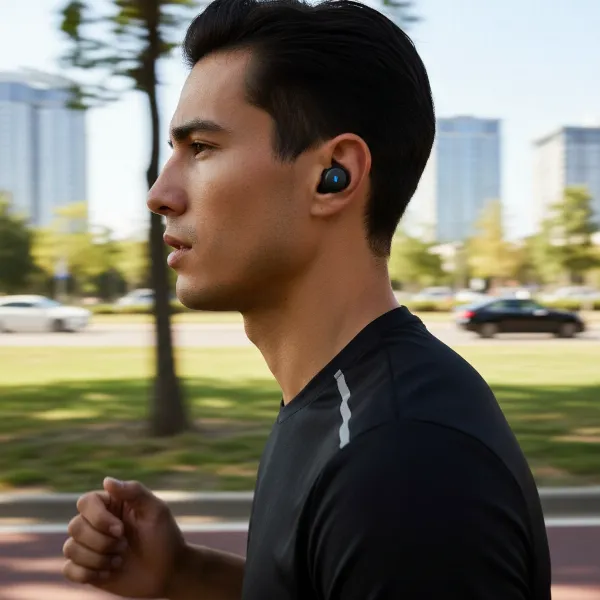 A person confidently wearing sleek black true wireless earphones, actively running outdoors with blurred city background, illustrating freedom and sport-specific use.
Comparing Leading Wireless Earphone Brands
Customer feedback frequently highlights specific strengths and weaknesses across popular brands, helping define expectations for each.
Comparison Table
| Brand | Advantages | Disadvantages | Price Range |
|---|---|---|---|
| Apple AirPods | Seamless integration with Apple ecosystem, excellent ANC, comfortable fit for many, good call quality. | Higher price point, sound quality might be average compared to audiophile-focused brands, limited customization outside Apple devices. | Premium |
| Sony | Industry-leading active noise cancellation, exceptional sound quality with detailed audio, highly customizable EQ via app, long battery life. | Can be bulky for some ears, premium price, design may not appeal to everyone. | Premium |
| Bose | Unrivaled noise cancellation, comfortable fit, immersive audio experience, good for calls. | High price point, design might be less sleek than competitors. | Premium |
| Jabra | Excellent call quality, durable, great for sports with robust build and water resistance, good battery life, multi-point connectivity. | Sound quality, while good, may not reach the audiophile levels of Sony, can be less aesthetically sleek. | Mid-High |
| Anker Soundcore | Excellent value for money, good feature set (ANC, transparency) at budget prices, comfortable. | Sound quality and ANC, while decent, may not compete with premium brands, less premium build materials. | Budget-Mid |
| Samsung Galaxy Buds | Feature-rich, competitive pricing, good integration with Samsung ecosystem, comfortable fit. | Sound quality can be inconsistent across models, ANC performance may vary. | Mid-High |
| Nothing | Striking, transparent design, detailed sound quality, effective ANC, good value. | Limited brand recognition compared to giants, design might not be for everyone. | Budget-Mid |
“For iPhone users, the AirPods Pro 3 are a no-brainer, offering superb noise cancellation and seamless integration. However, for sheer audio fidelity and customizable sound, Sony’s flagship models consistently impress, albeit at a higher cost.” – Harry Rabinowitz, Tech Reviewer, NBC News.
Your Guide to Choosing Wireless Earphones
Selecting the perfect pair of wireless earphones requires a thoughtful assessment of your individual needs and priorities.
Determine Your Usage Needs
Begin by clarifying your primary use case. Are you primarily listening to music during commutes, needing robust noise cancellation? Do you require clear microphones for frequent calls and virtual meetings? Are they for intense workouts, demanding sweat resistance and a secure fit? Perhaps you’re a casual listener who values portability and basic functionality. Identifying these needs will narrow down your options significantly. Also, consider any specific features like ambient sound modes for awareness, voice assistant integration, or low-latency modes for gaming. Finally, establish a clear budget, as prices can range widely from under $50 to over $300.
Key Factors to Consider
Once your needs are defined, evaluate these crucial aspects:
- Sound Quality: Beyond just “good,” consider your preference for bass, treble, and overall clarity. Look for models supporting advanced audio codecs like LDAC or aptX Adaptive for higher-resolution audio. Many modern earphones also offer customizable equalizers through companion apps, allowing you to tailor the sound profile to your taste.
- Battery Life: Check both the earbud’s single-charge playtime and the total playtime including the charging case. For extended use, longer battery life is paramount. Fast charging capabilities are also a convenient bonus.
- Design & Comfort: Earphones come in various shapes and sizes. Consider whether in-ear, semi-open, or open-ear designs suit you best. A comfortable and secure fit is critical, especially for long listening sessions or active use. Many come with multiple ear tip sizes (silicone, foam) to ensure a proper seal, which is vital for both comfort and effective noise cancellation.
- Connectivity: Look for the latest Bluetooth versions (e.g., Bluetooth 5.3 or 5.4) for improved stability, range, and power efficiency. Features like Bluetooth multipoint, which allows simultaneous connection to two devices, can be highly convenient for switching between a phone and a laptop.
- Features: Active Noise Cancellation (ANC) and Ambient/Transparency modes are increasingly standard. Evaluate their effectiveness based on reviews. Water and sweat resistance (IP rating) are essential for sports enthusiasts. Consider touch controls, voice assistant integration, and dedicated companion apps for customization.
- Brand Reputation & Warranty: Opting for reputable brands often ensures better product quality, reliable customer support, and accessible warranty services.
Top-Rated Wireless Earphones Today
Based on extensive testing and customer satisfaction, several models consistently stand out in the current market.
Noteworthy Models and Their Highlights
- Apple AirPods Pro 3: An excellent choice for Apple users, offering superb active noise cancellation, a comfortable fit, spatial audio, and seamless integration across Apple devices. They also include a built-in heart rate sensor, making them versatile for fitness tracking.
- Sony WF-1000XM6: Consistently praised for their industry-leading noise cancellation and exceptional, detailed sound quality. These earbuds offer extensive customization through Sony’s companion app, making them a top pick for audiophiles and those prioritizing immersive quiet.
- Bose QuietComfort Ultra Earbuds: Renowned for their superior noise cancellation and immersive audio experience. Customers appreciate their comfortable, secure fit and improved call quality, making them ideal for blocking out the world and enjoying high-fidelity sound.
- Jabra Elite 10: Often highlighted as a fantastic all-rounder, particularly for those needing excellent call quality and durability. They offer a comfortable fit, reliable performance, and strong battery life, making them suitable for both professional and active use.
- Anker Soundcore Liberty 4 NC / Nothing Ear (a): For those seeking premium features without the premium price tag, these offer exceptional value. The Anker Soundcore Liberty 4 NC provides effective ANC and good sound for under $100, while Nothing Ear (a) impresses with its unique design, detailed sound, and solid ANC at a competitive price.
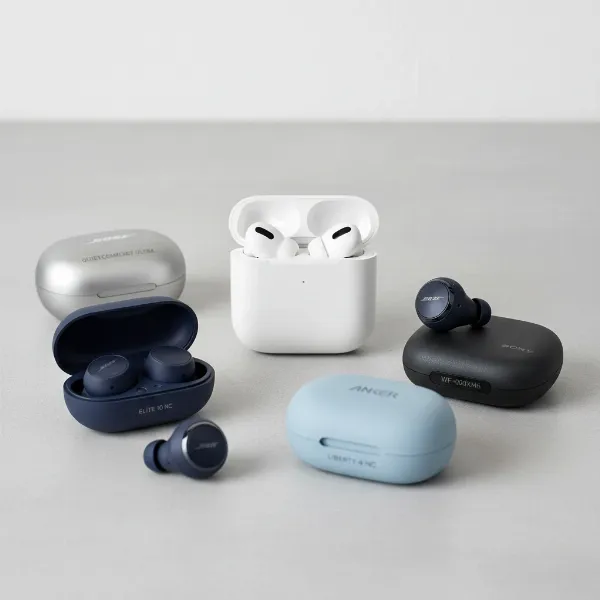 A curated display of the top-rated wireless earbuds from various brands (Apple, Sony, Bose, Jabra, Anker), showcasing their designs and packaging on a clean, modern surface, illustrating choice and premium quality.
Conclusion
Choosing the ideal pair of wireless earphones is a personal journey that balances innovative features with individual needs. From the ultimate freedom of movement to advanced noise cancellation and crystal-clear audio, modern wireless earphones offer an array of benefits that enhance our daily lives. However, it’s equally important to weigh considerations like battery longevity, potential connectivity quirks, and cost. By carefully evaluating your primary usage, desired features, and budget, you can navigate the market with confidence and find a pair of wireless earphones that truly resonates with your listening preferences. What aspect of wireless earphones is most important for your next purchase?
Frequently Asked Questions
Are wireless earphones safe for long-term use?
Generally, wireless earphones are considered safe by the scientific community. They emit non-ionizing electromagnetic radiation (EMR) at very low levels, significantly less than cell phones. However, experts advise practicing the “60/60 rule” (60% volume for a maximum of 60 minutes) to prevent potential hearing damage from high volumes, and maintaining good ear hygiene to avoid infections.
How can I improve the battery life of my wireless earphones?
To maximize battery life, keep the volume at moderate levels, as high volumes drain power faster. Turn off features like Active Noise Cancellation (ANC) and transparency mode when not needed. Ensure your earphones’ firmware is updated, as manufacturers often release updates that optimize power consumption. Always return earbuds to their charging case when not in use to keep them topped up.
What are common problems with wireless earphones and how can I fix them?
Common issues include earbuds not charging, connectivity problems, weak noise cancellation, or one earbud being louder than the other. Many charging and sound issues can be resolved by cleaning the charging contacts and earbud meshes, as earwax or dirt buildup can interfere. For connectivity or sound imbalances, a factory reset of the earbuds and restarting your phone often helps. For weak ANC, ensure you have the proper ear tip seal by trying different sizes.
Is active noise cancellation (ANC) bad for your ears?
No, active noise cancellation itself is not inherently bad for your ears. In fact, by reducing ambient noise, ANC can allow you to listen to audio at lower, safer volumes, thus potentially reducing the risk of hearing damage. However, prolonged listening at excessively high volumes, even with ANC, can still be harmful.
How do I ensure a good fit for my wireless earphones?
A good fit is crucial for comfort, sound quality, and effective noise cancellation. Most wireless earphones come with multiple sizes of ear tips. Experiment with different sizes and materials (silicone, foam) to find the pair that creates a snug, comfortable seal in your ear canal. The fit should feel secure without causing pressure or discomfort, especially during movement.